About Me
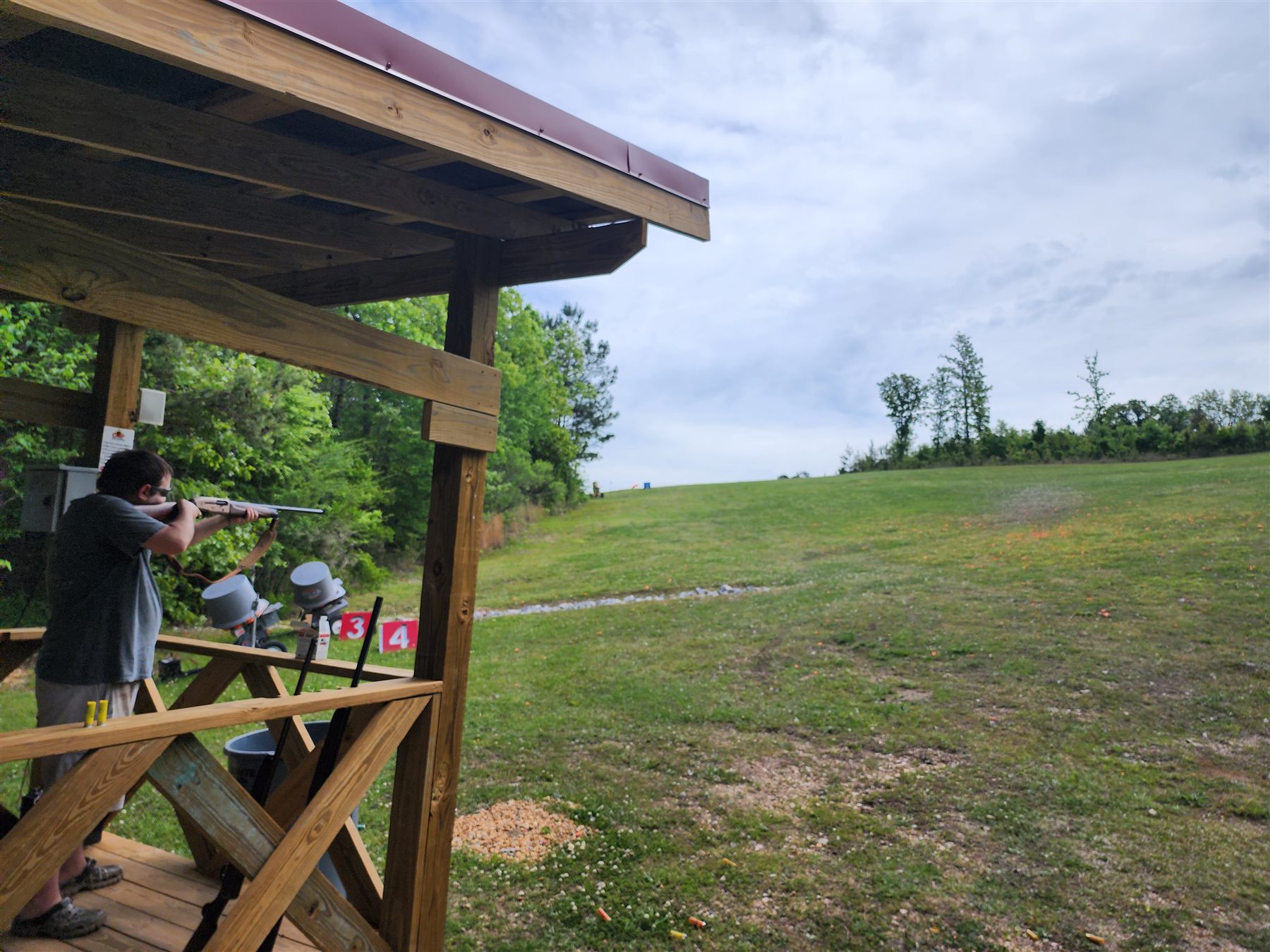
Software engineer by trade. Ham radio operator, homelab hoarder, trap shooter, and a computer engineer who builds things that hold up under production load, audit, and deadline pressure alike.
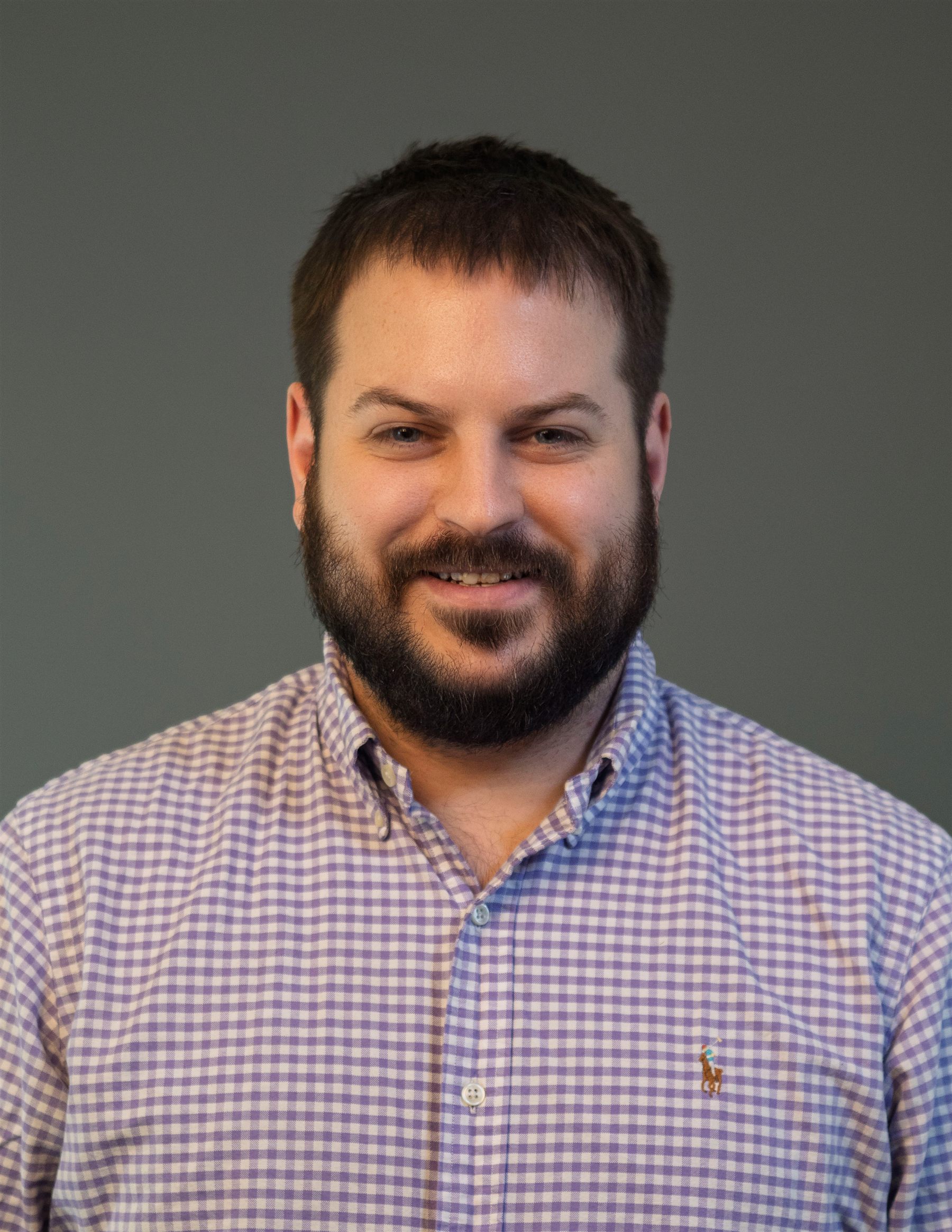
How I got here
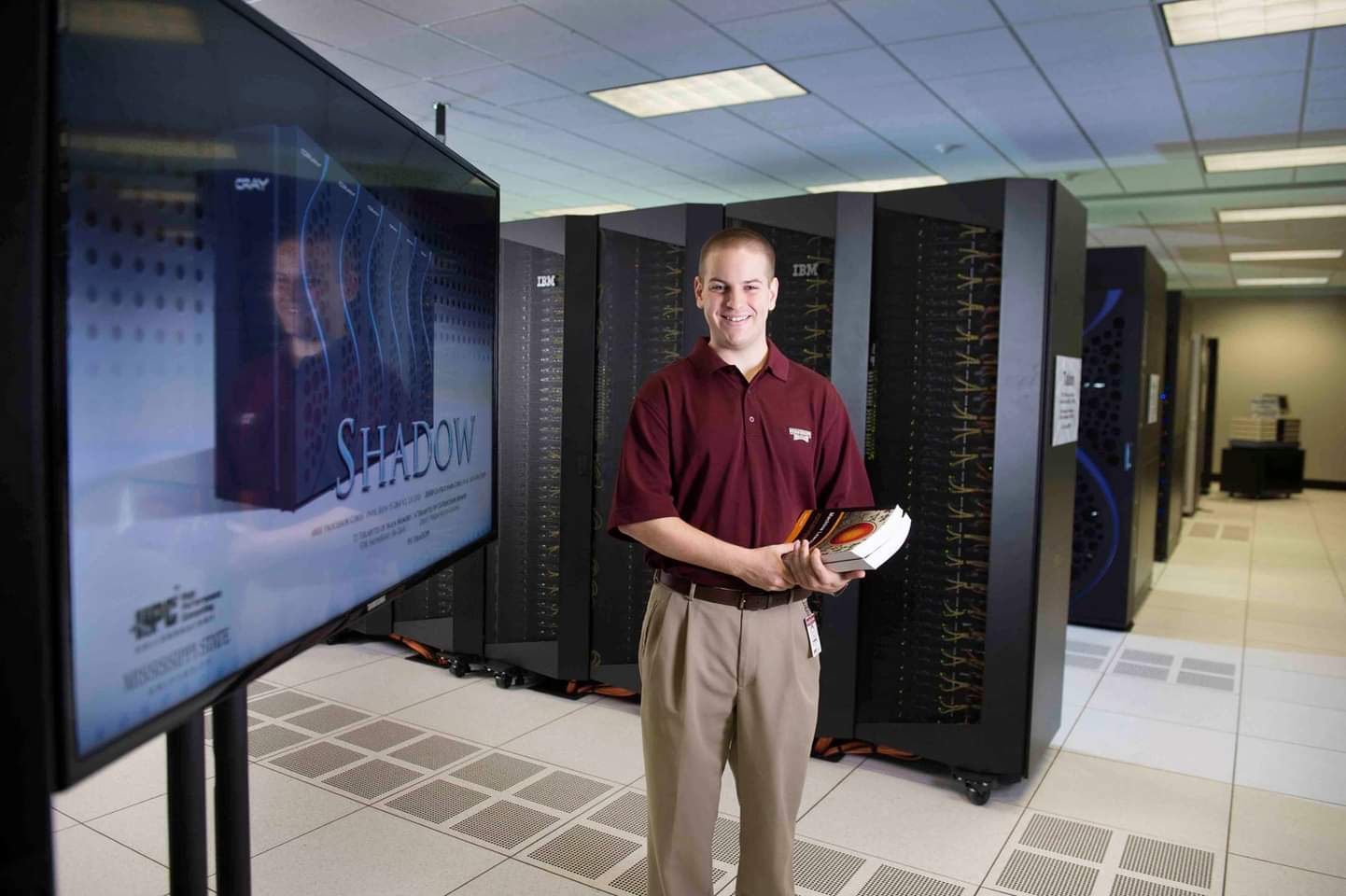
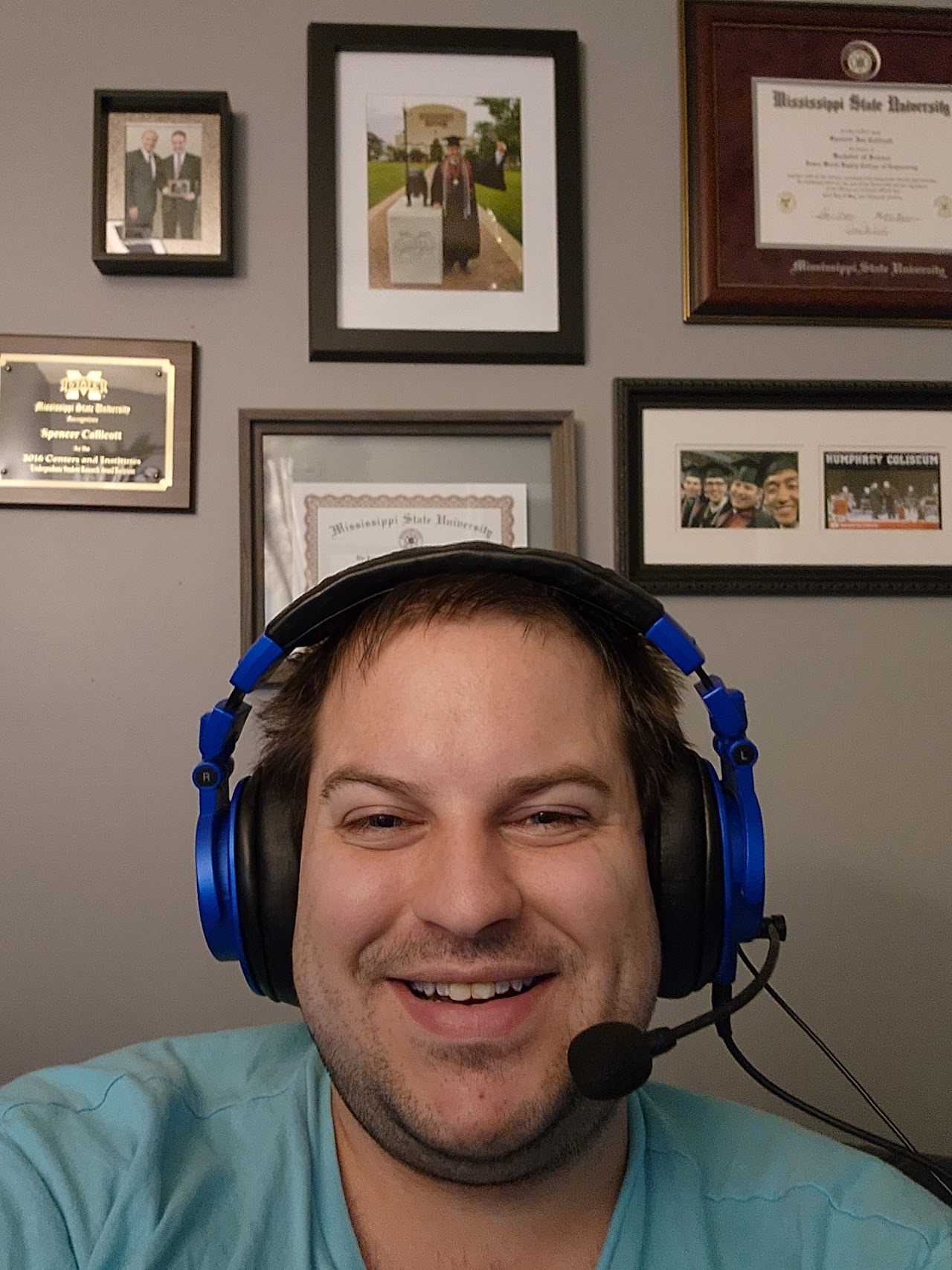
I grew up wiring things together that weren't meant to talk to each other, which turned out to be excellent preparation for a career in software. I studied Electrical and Computer Engineering at Mississippi State University, where I got to work next to SHADOW, a Cray CS300-LC supercomputer with 260 Intel Xeon Phi coprocessors housed at the HPC2 facility. One of those experiences that recalibrates your sense of scale pretty quickly.
From there I spent several years doing serious systems work on government programs: cybersecurity evaluation environments, automated test harnesses, and RF analysis toolchains. These needed to work right the first time, because the alternative wasn't acceptable.
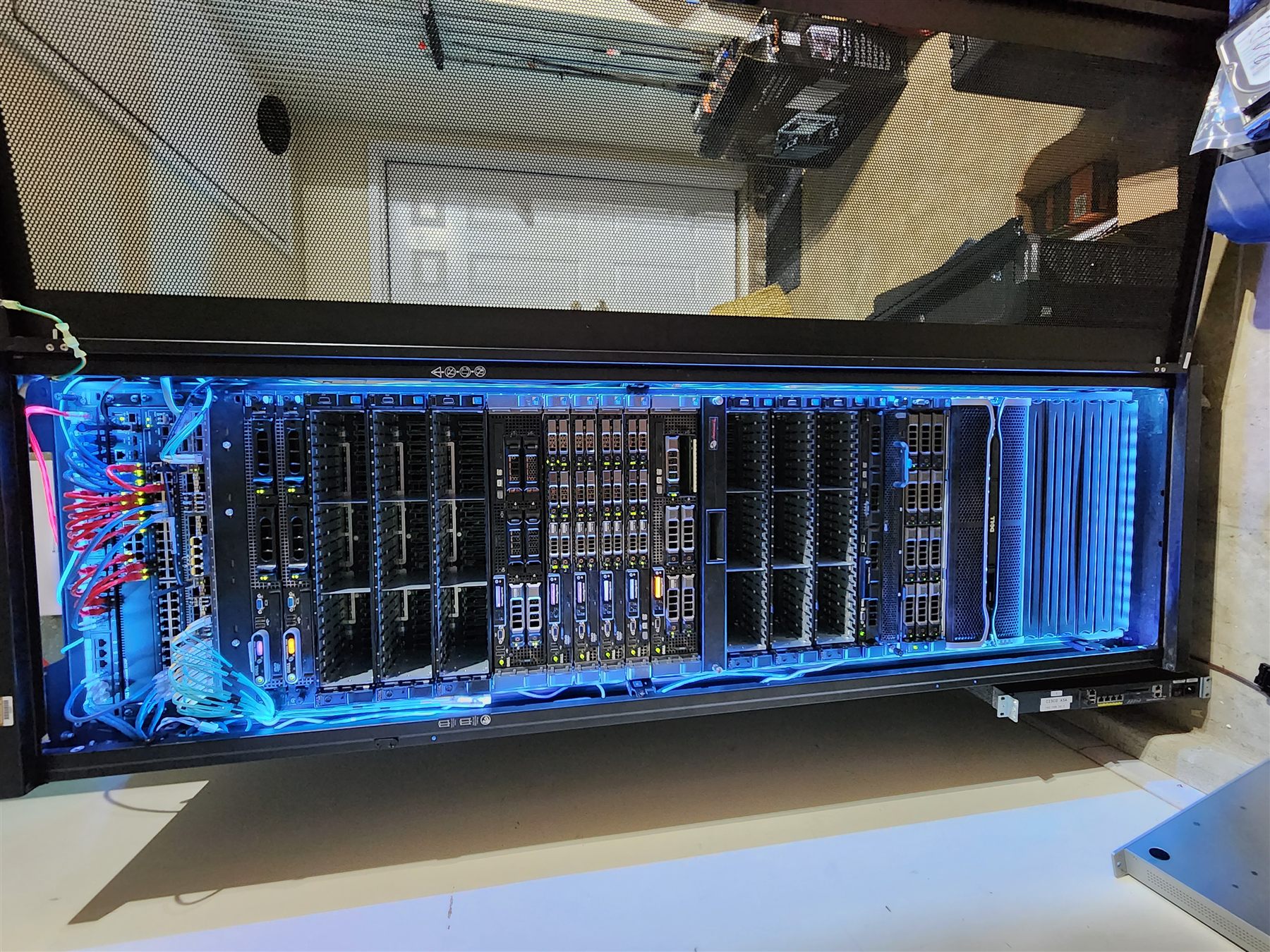
Today I run my own production Kubernetes cluster at home (TuxHPC.net), build AI-assisted observability tools, write mods that inject into bytecode of half-million-line codebases for fun, and generally find ways to make computers do things they weren't quite expecting.
How I work
I care deeply about testability as a design constraint, not something you bolt on at the end. I write code that future maintainers can reason about without guessing at intent. I reach for the simplest thing that's correct, and I do the harder architectural work when "simpler" just pushes the complexity somewhere less visible.
I default to async communication, document decisions when I make them, and push back when I think a problem is worth rethinking at a higher level. I don't ship code I'm not willing to own long-term. If you're building something technically interesting, I'd like to hear about it.
Side quests
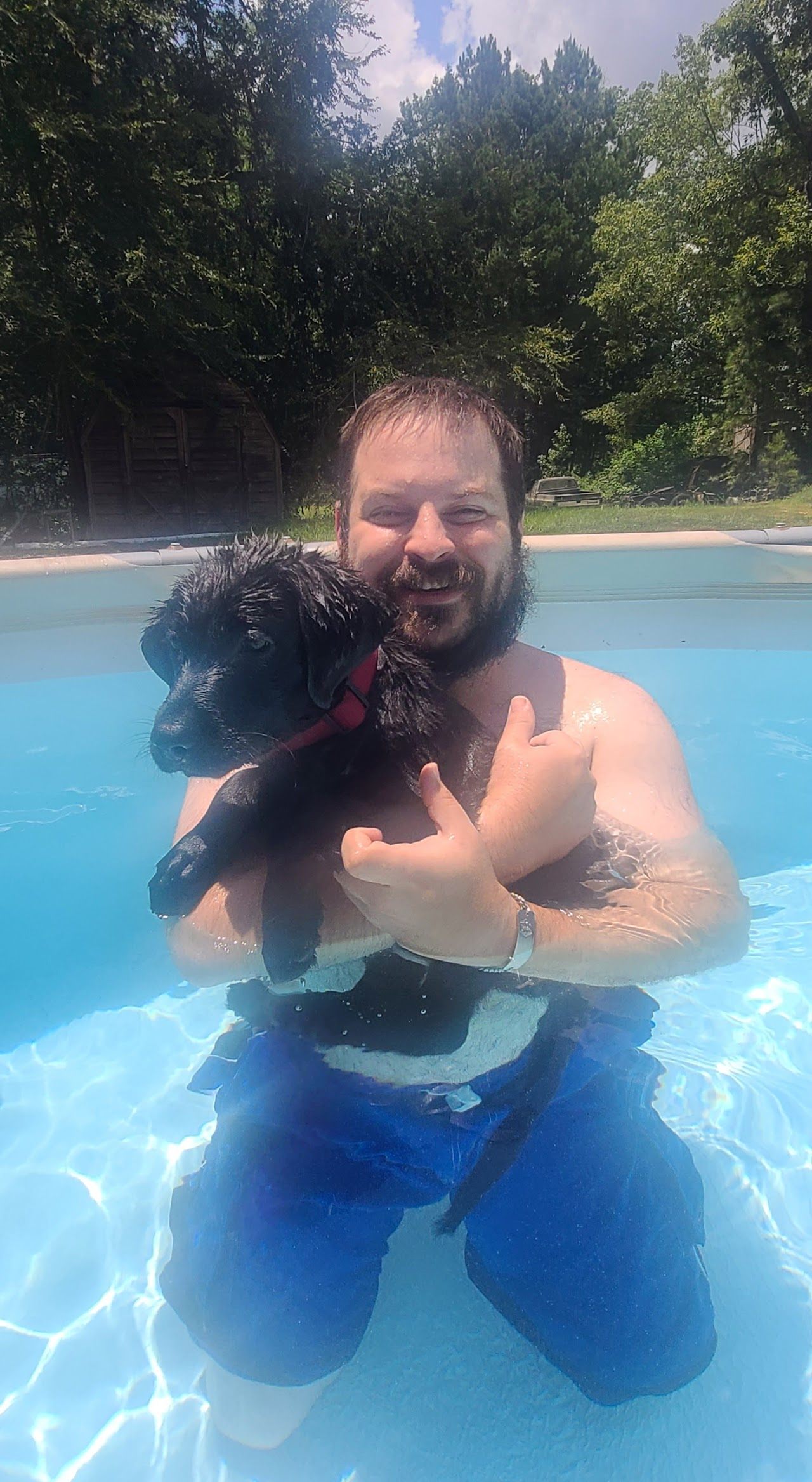
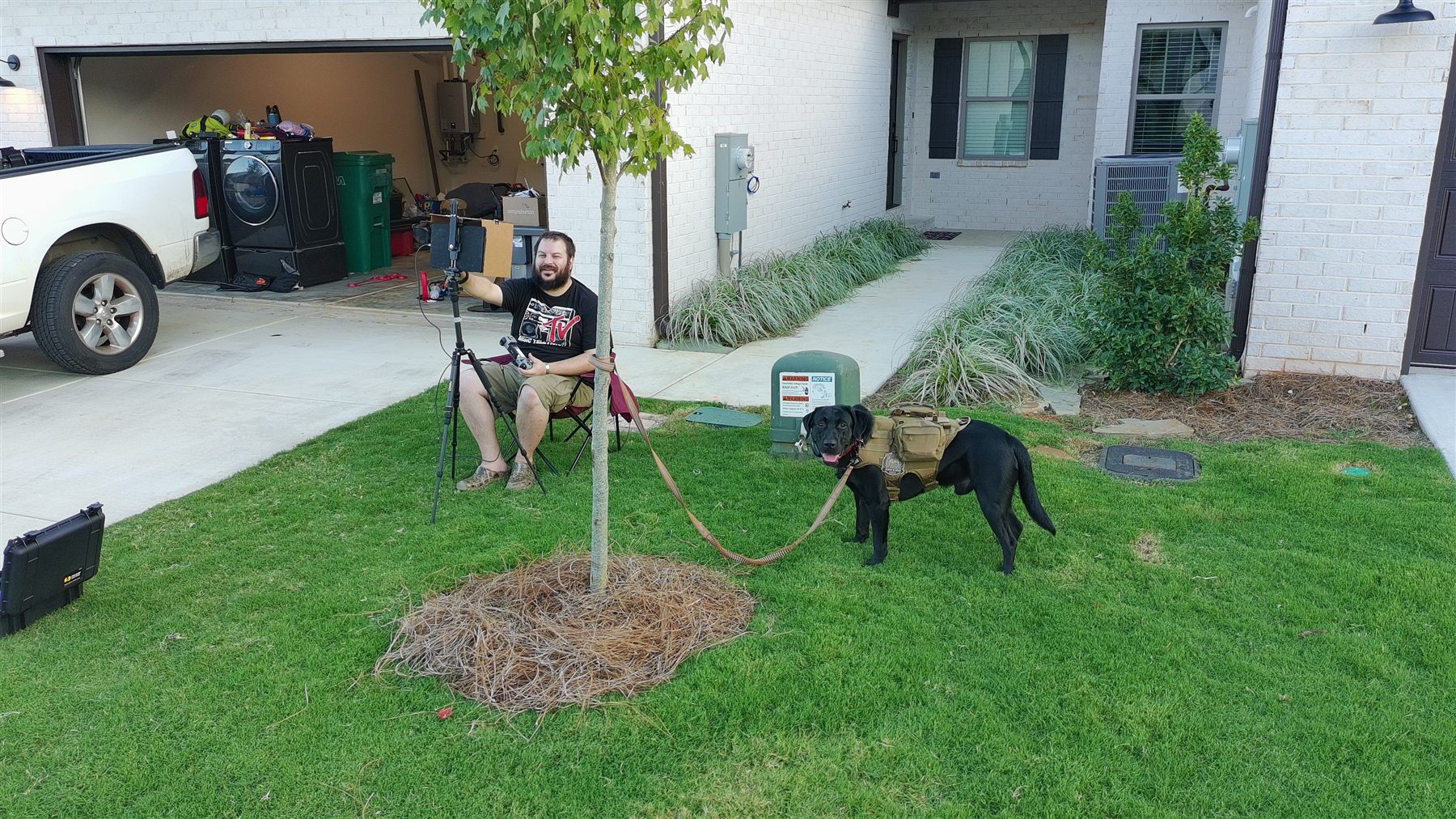
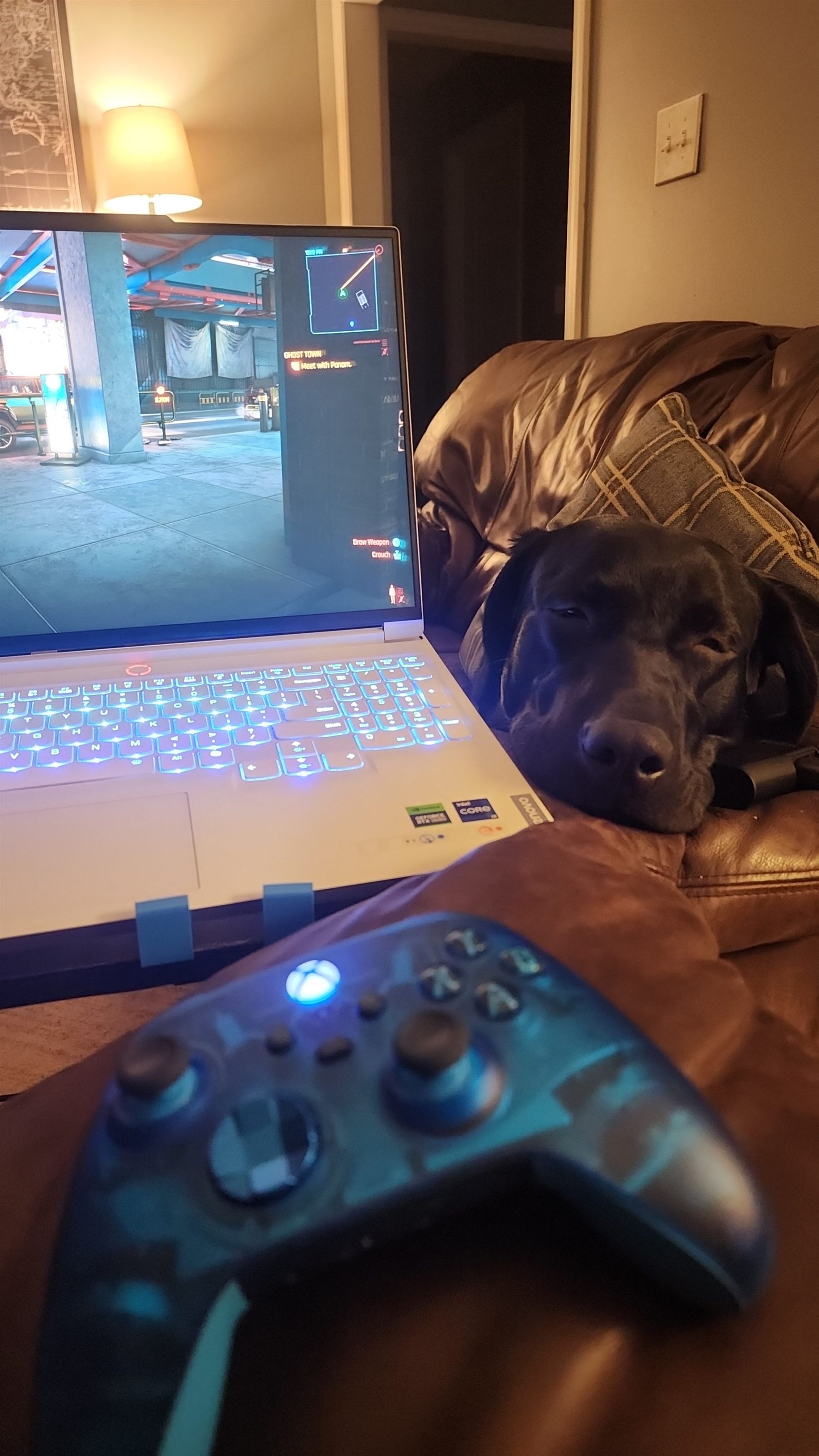
Outside the terminal, I stay busy. Zulu thinks all of this is insufficiently focused on him, but he's biased.

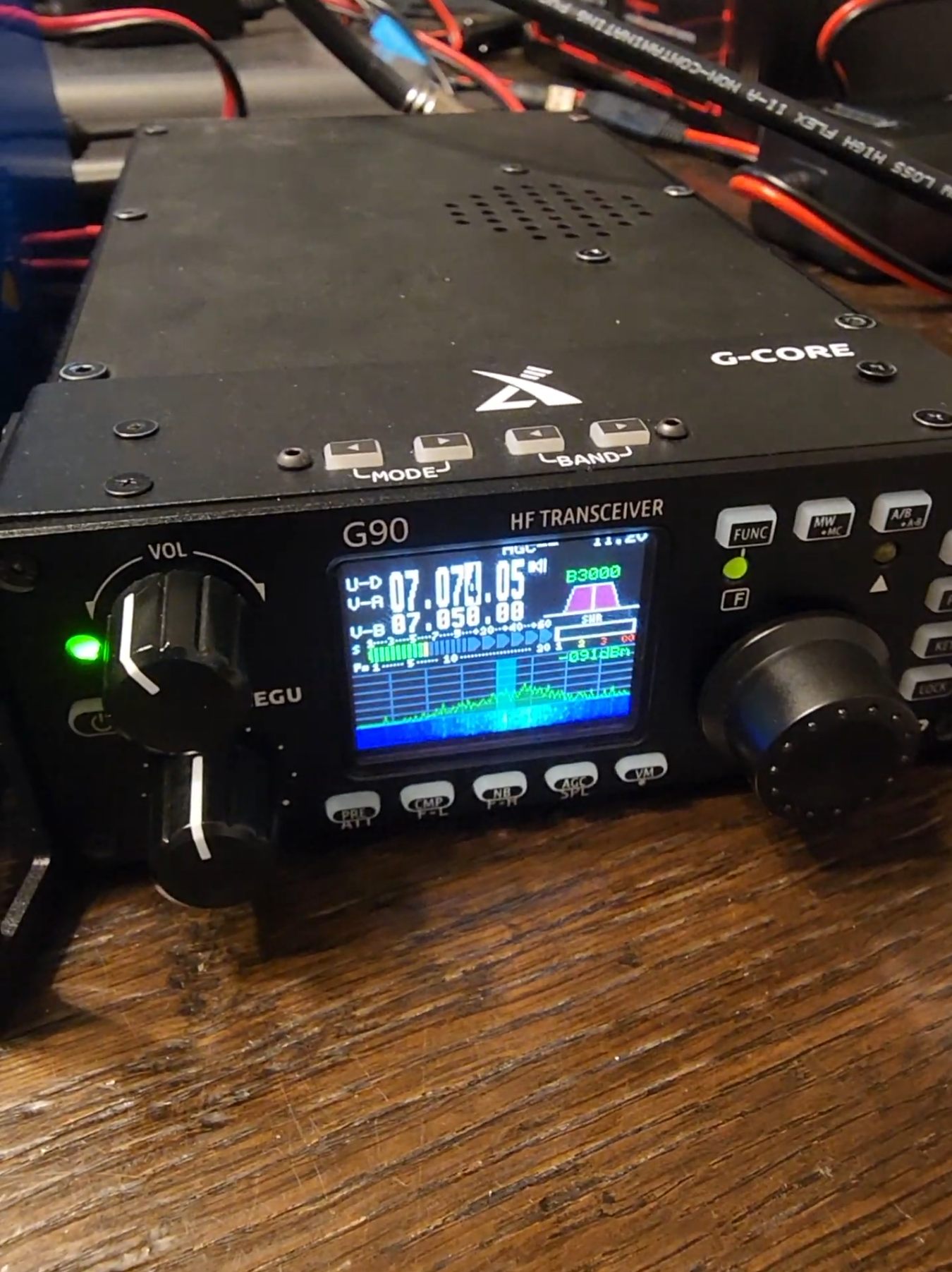
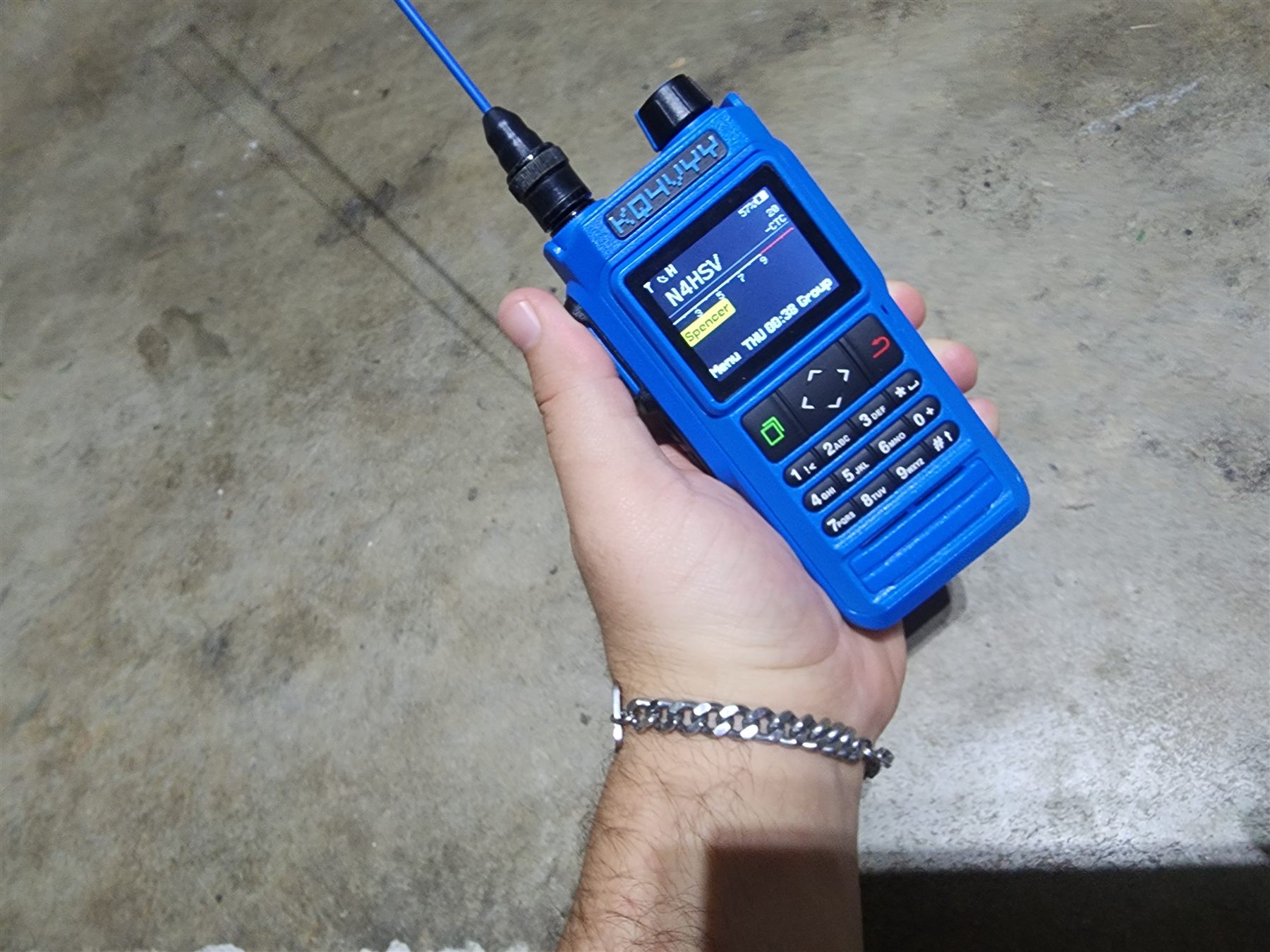
Licensed Amateur Radio Operator KQ4VYY
Ham radio is where my RF engineering background and my hardware instincts meet something actually fun. I run a Xiegu G90 HF transceiver, built a custom 3D-printed chassis for my handheld, run SDR setups for signal analysis, and yes, the RF analysis toolchain in my work history is related. Turns out "what kind of antennas are you using?" is both a hobby question and a professional one.
Out in the world
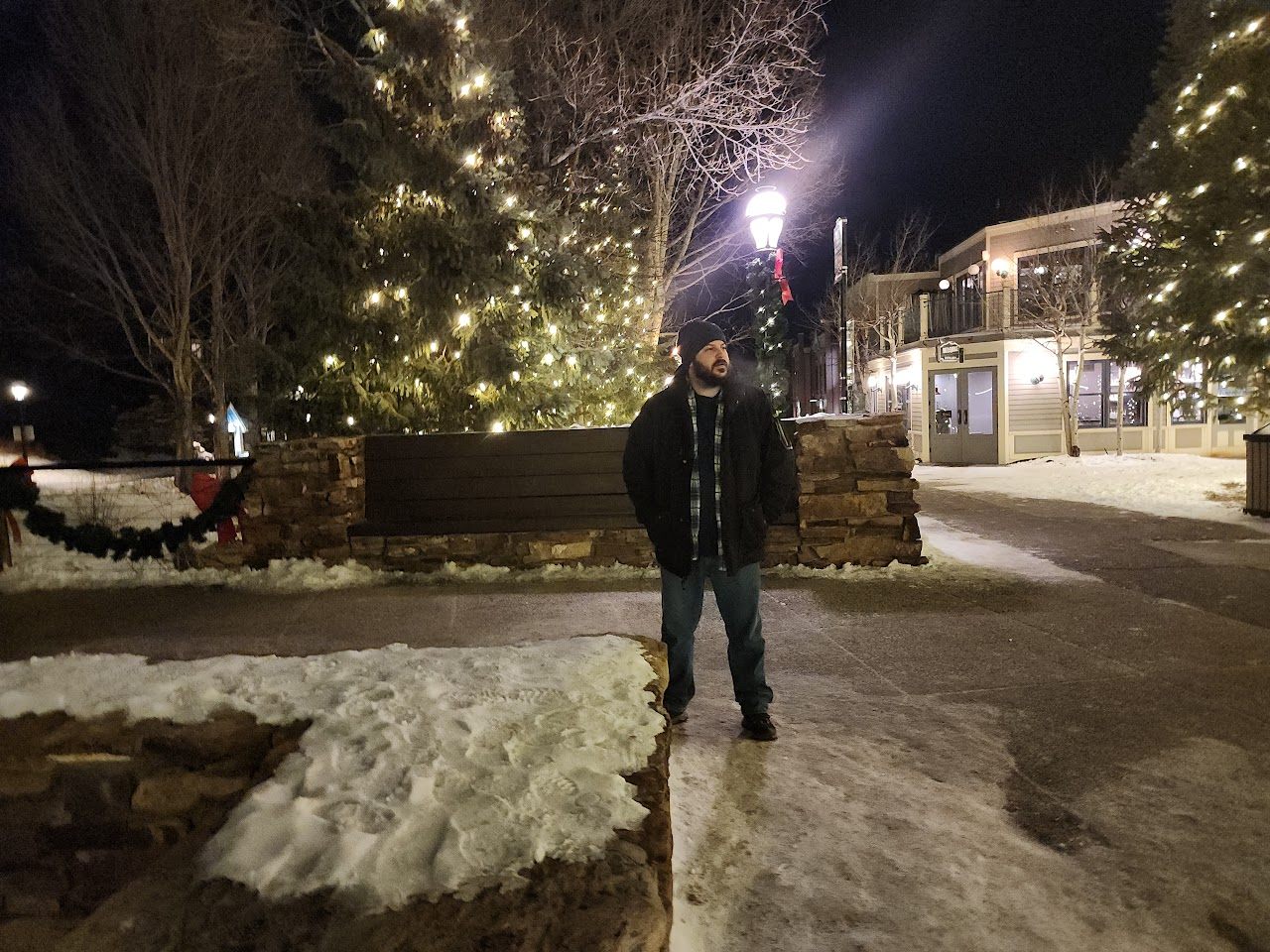
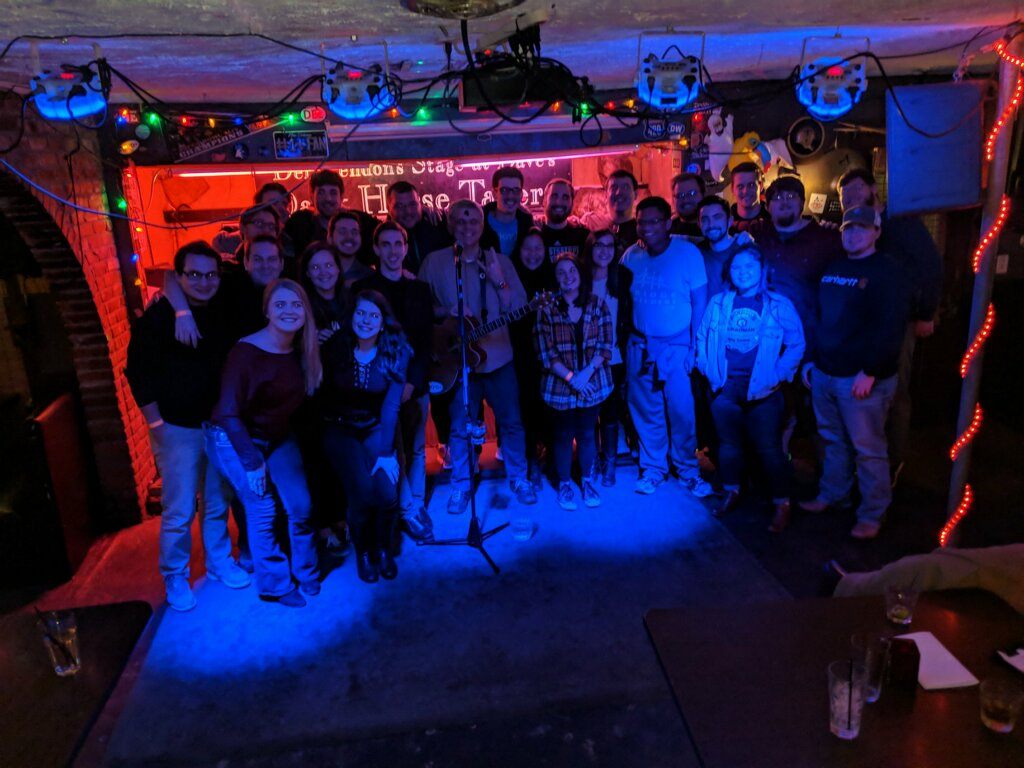
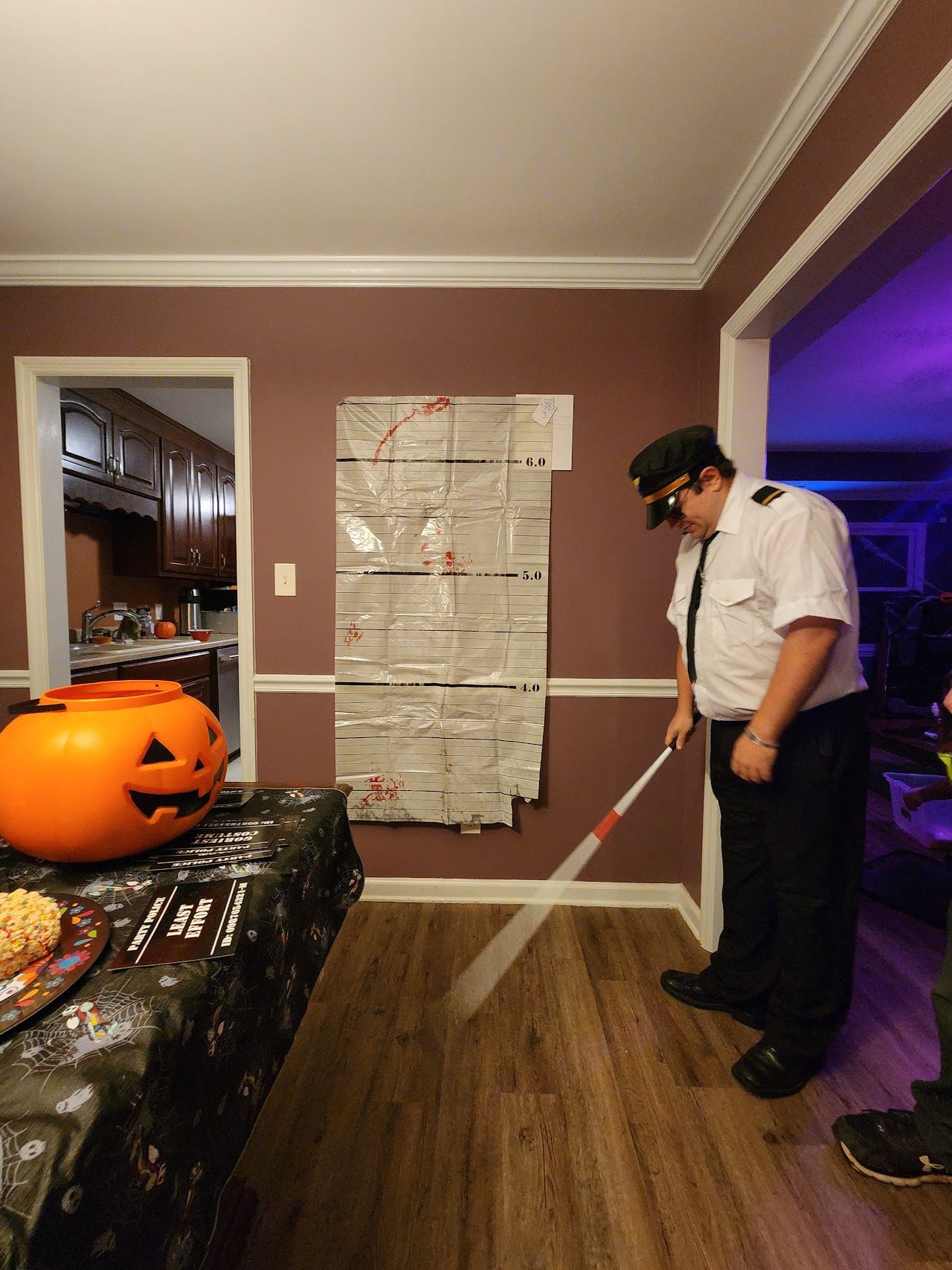
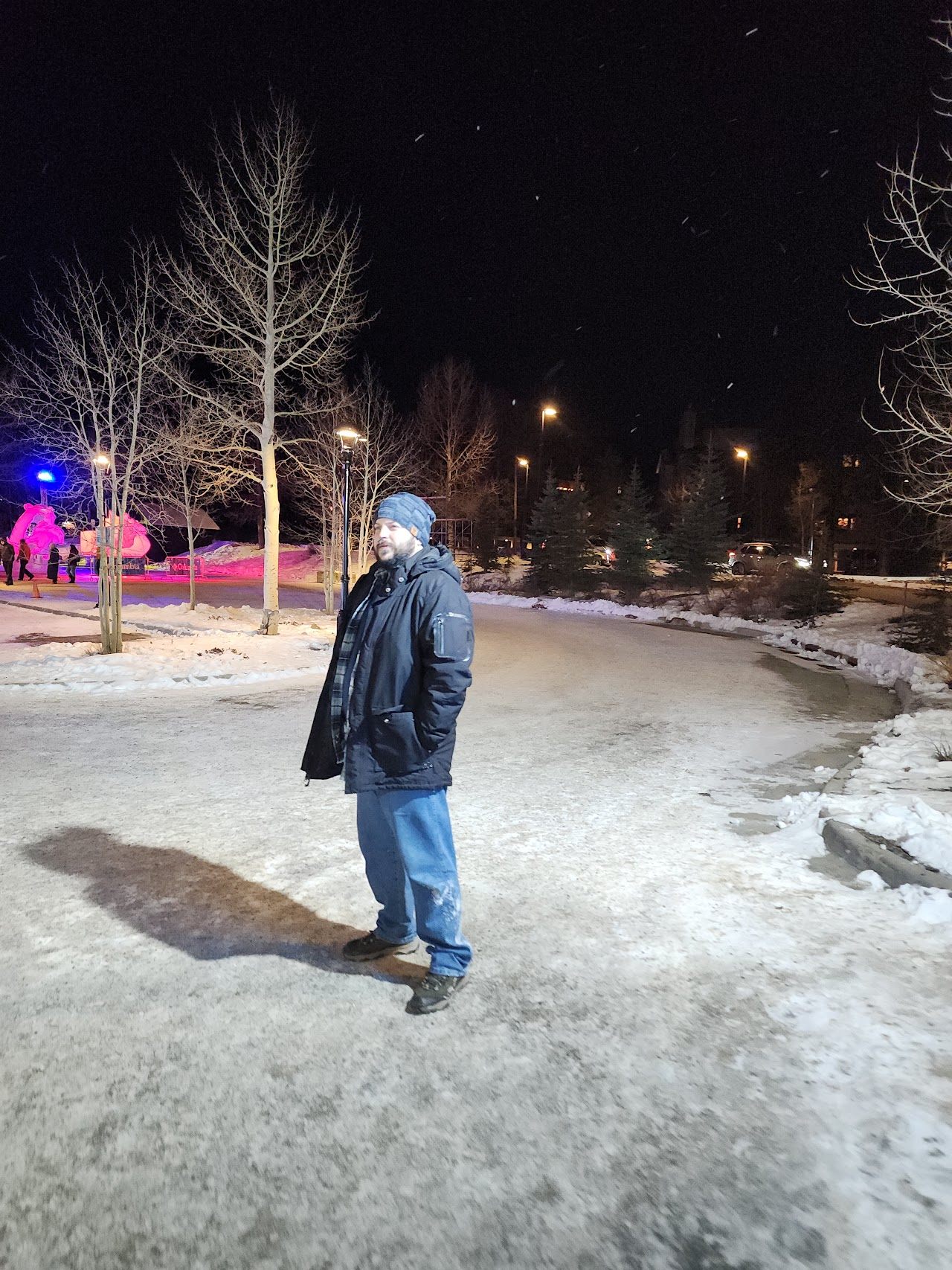
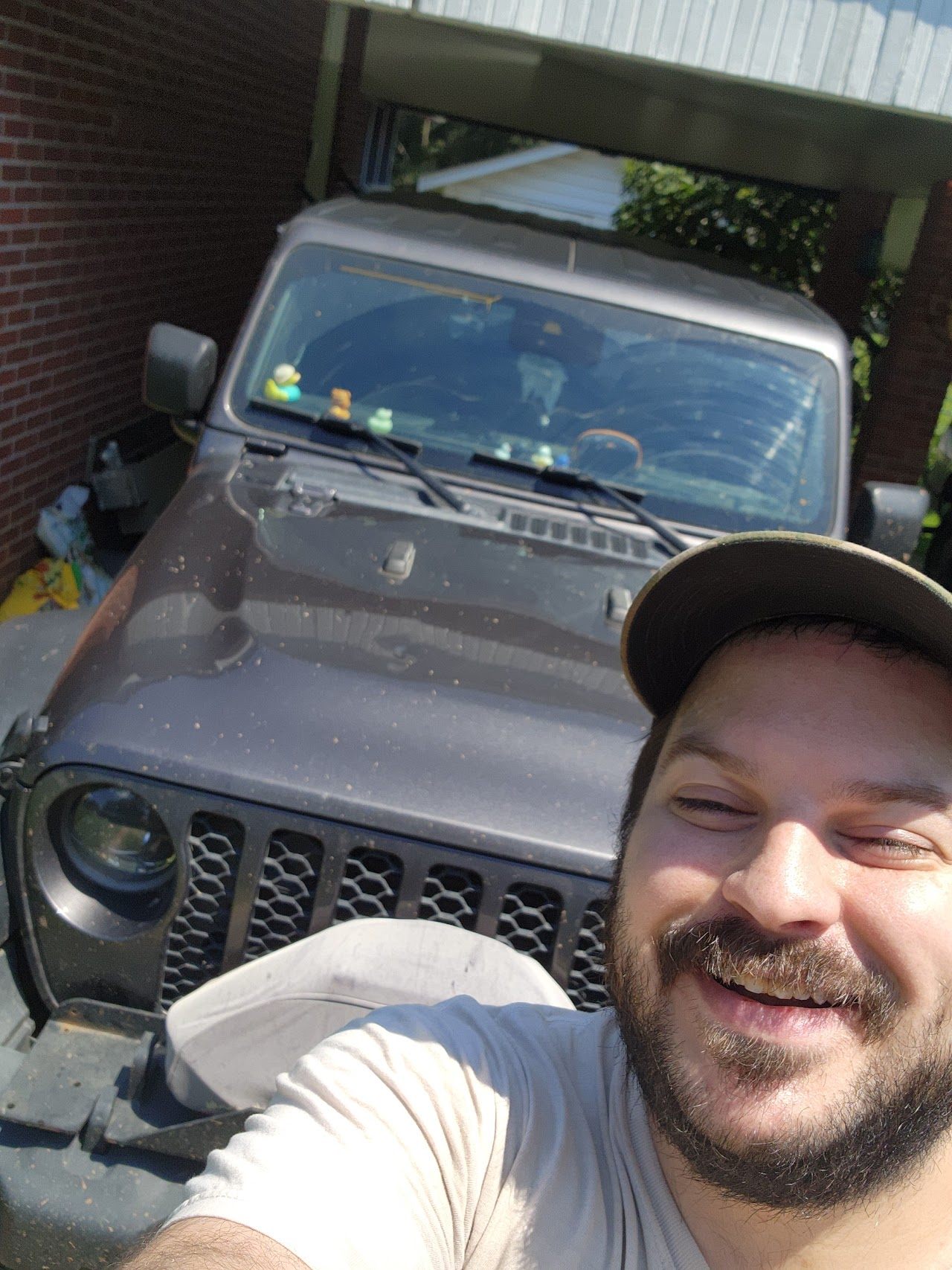
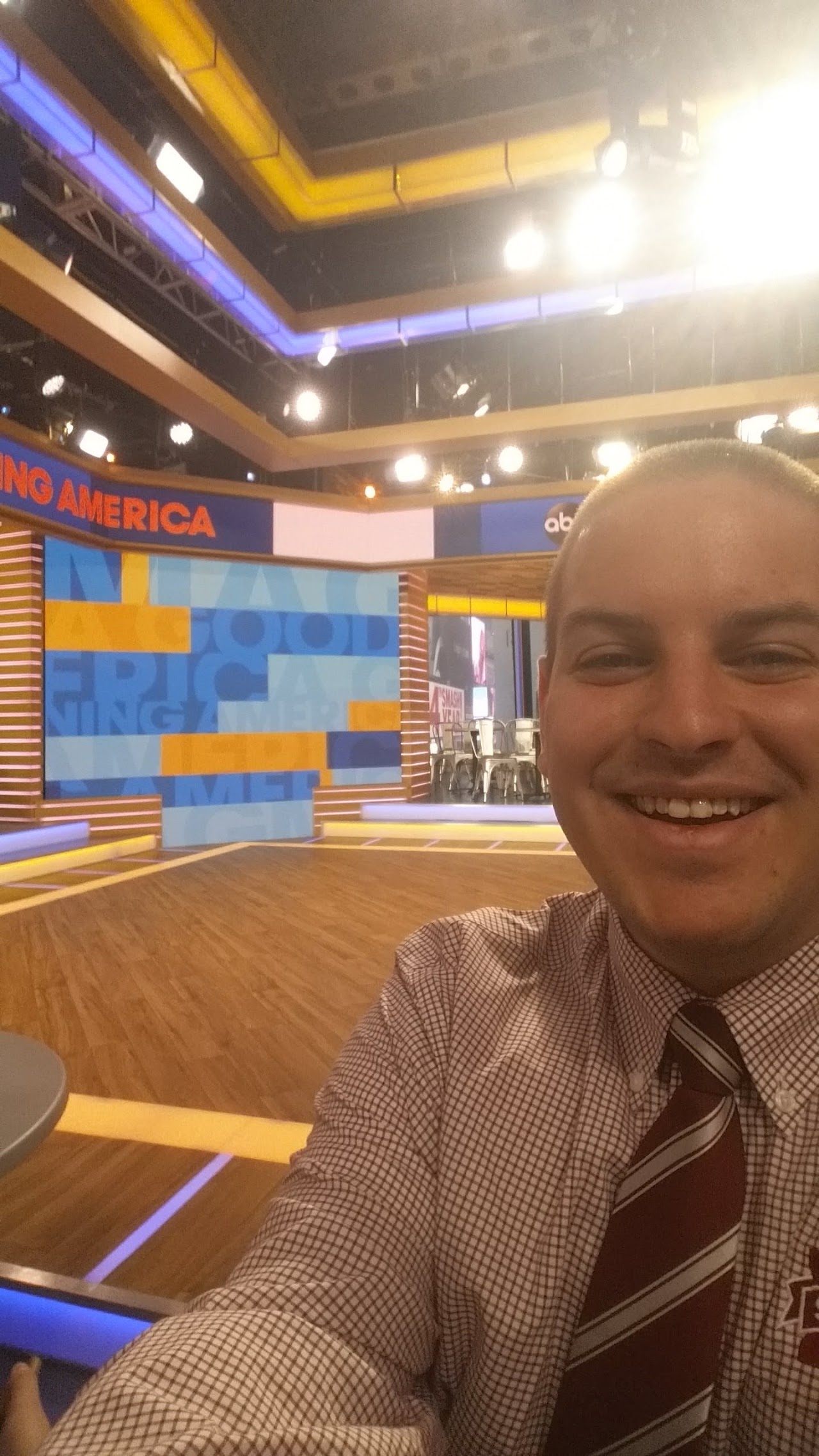
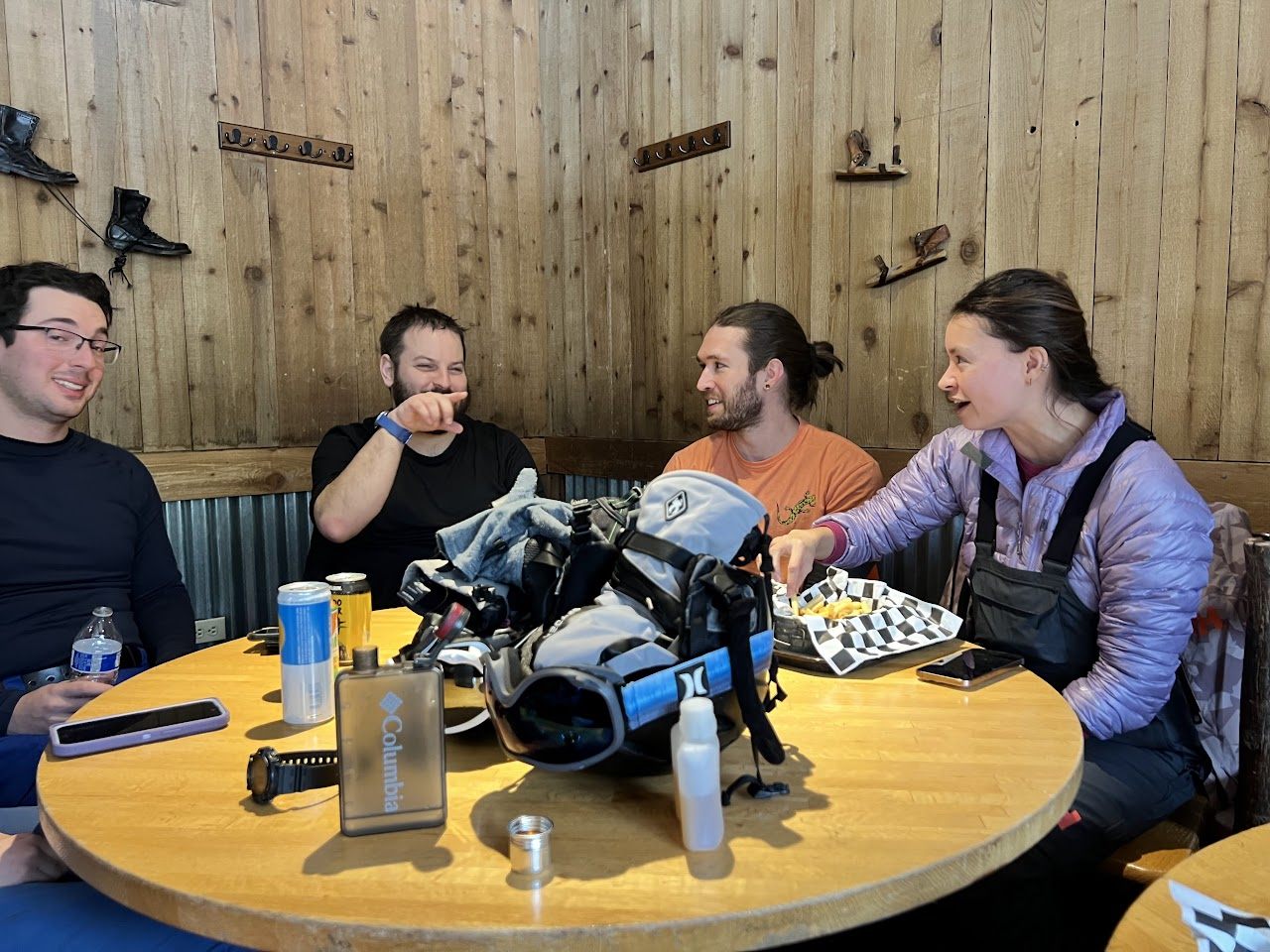
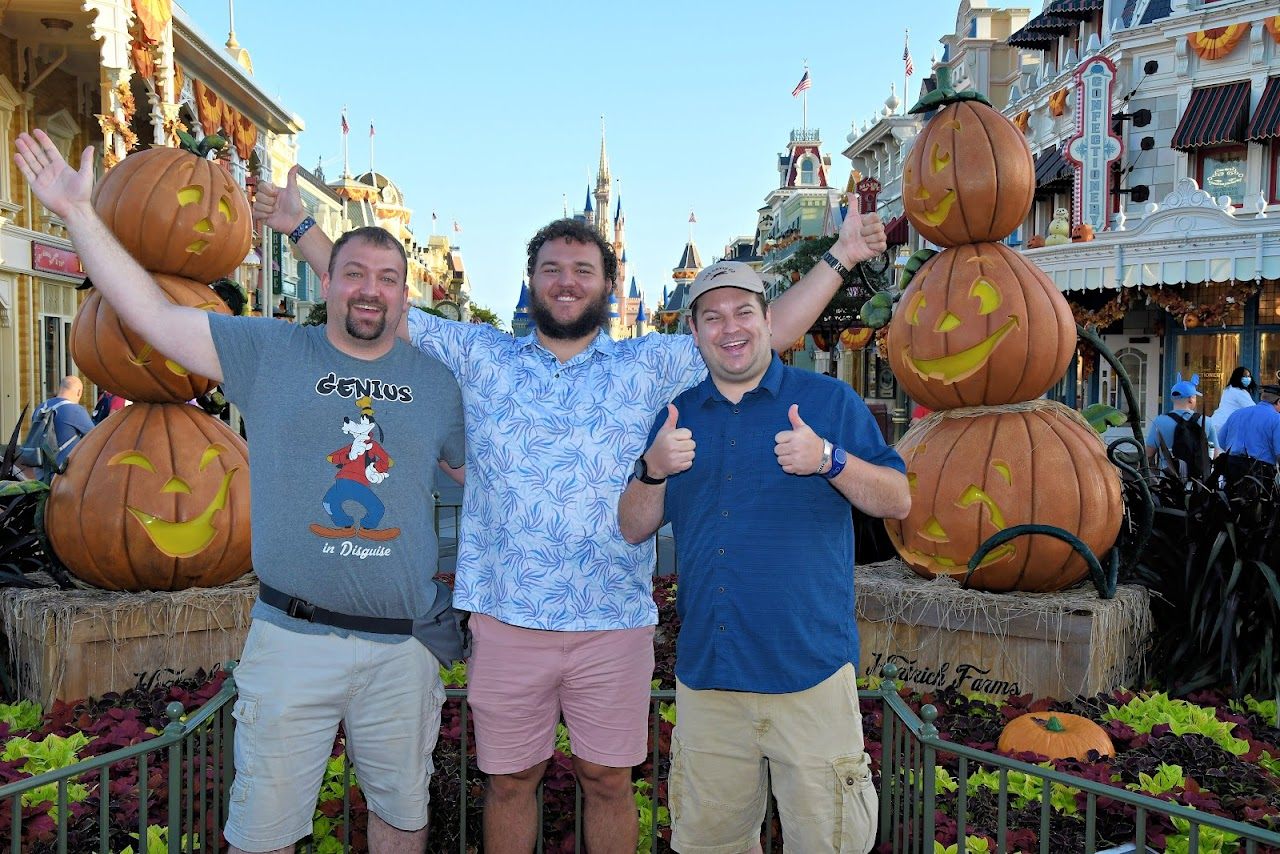
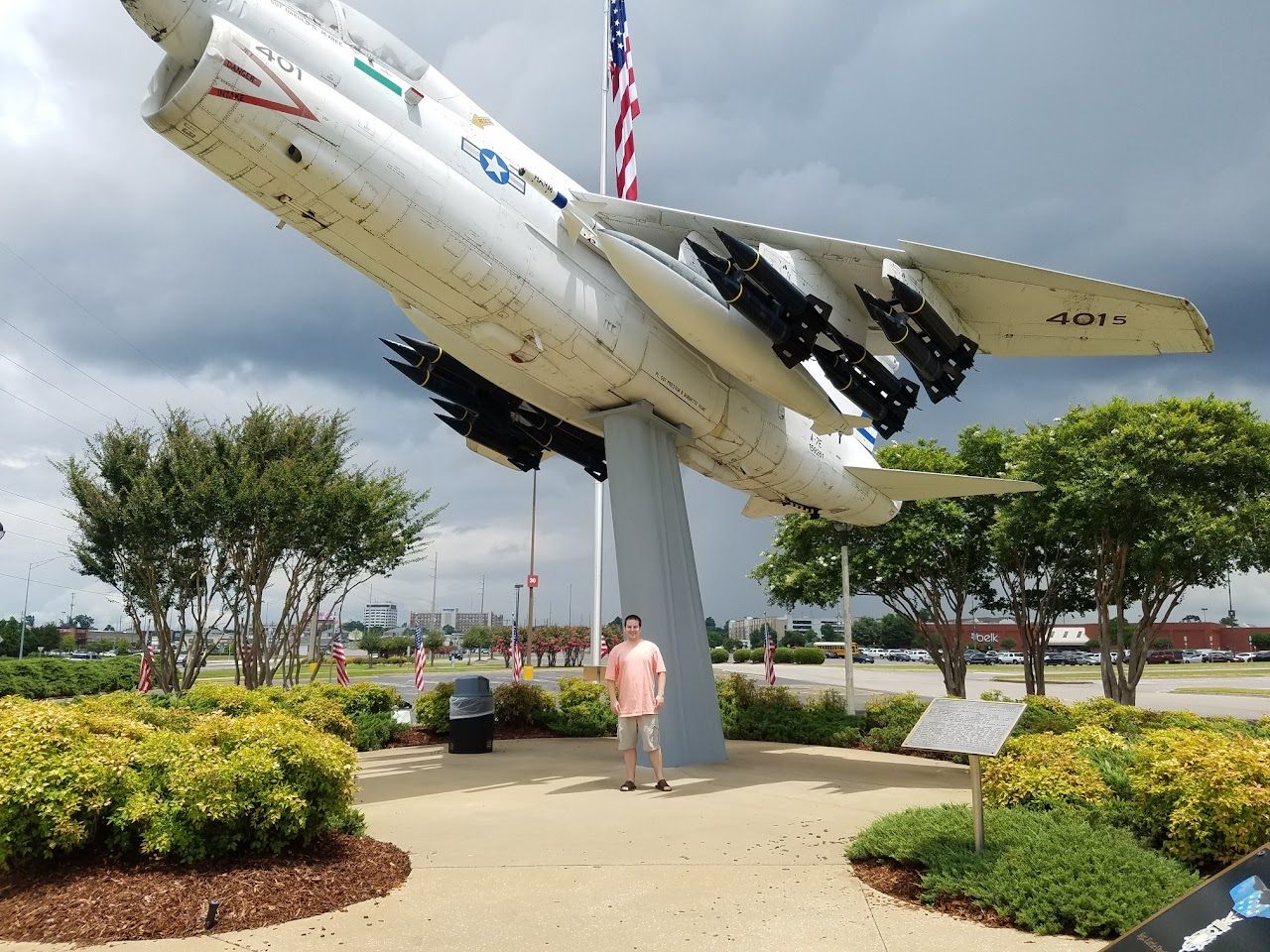
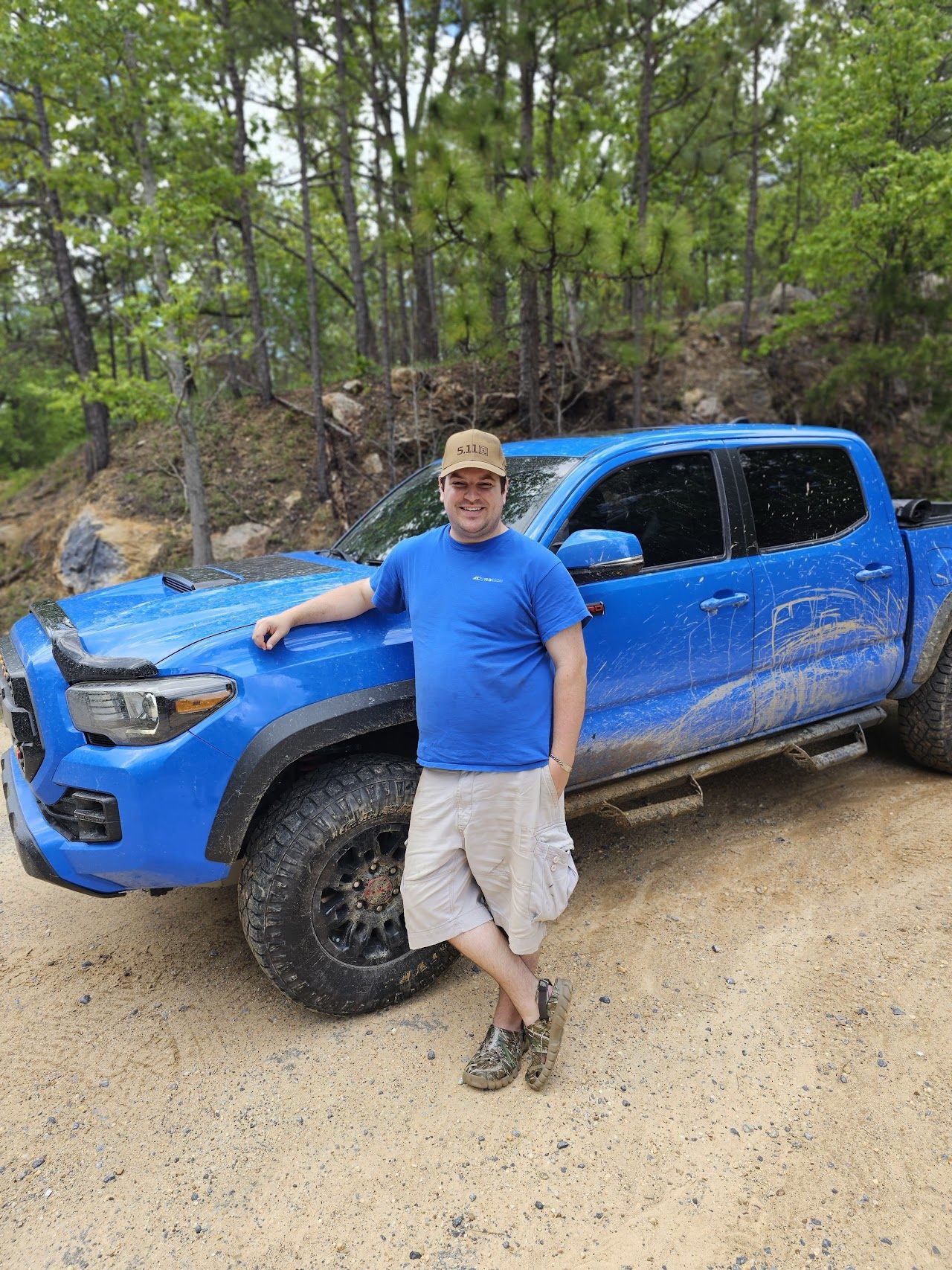
I do occasionally leave the house.

Quick facts
- Education
- B.S. Electrical & Computer Engineering, Mississippi State University
- Dog
- Zulu, black Lab, tactical vest enthusiast and gaming co-pilot
- Homelab
- TuxHPC.net: 8-node Kubernetes cluster (3 control plane, 5 workers)
- Callsign
- KQ4VYY, licensed amateur radio operator
- Other hobbies
- Ham radio, trap/skeet shooting, whitewater rafting, off-roading
- GitHub
- github.com/Tuxprogrammer
- Currently building
- AI-assisted log monitoring, GitOps infrastructure, developer tooling